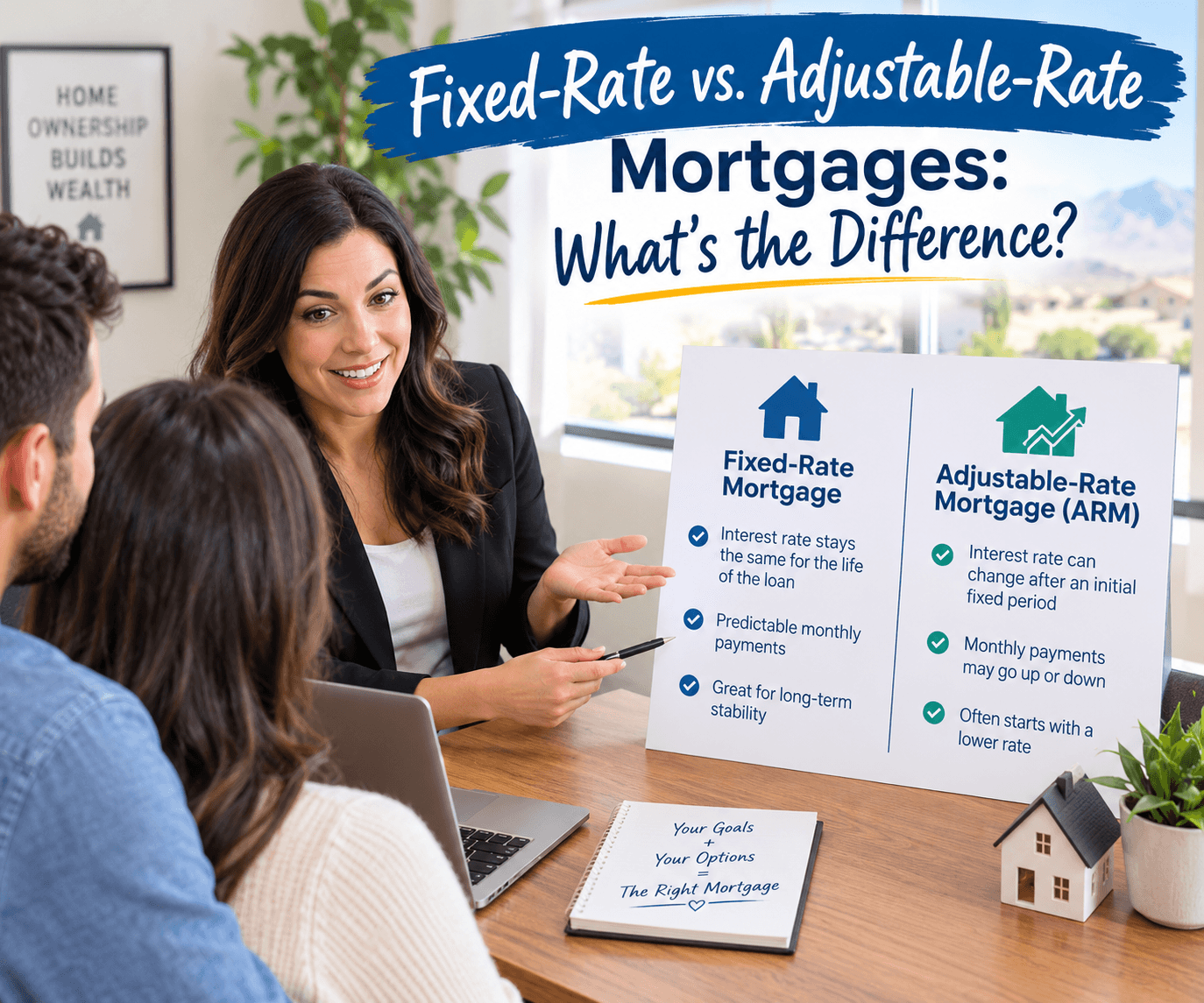
When it comes to buying a home, understanding your mortgage options is crucial. Two of the most common types of mortgages are fixed-rate and adjustable-rate mortgages (ARMs). Both options have unique features that can affect your financial future, and knowing the difference will help you make an informed decision.
Let’s start with fixed-rate mortgages. This type of mortgage has a constant interest rate throughout the life of the loan, which typically ranges from 15 to 30 years. One of the most significant advantages of a fixed-rate mortgage is predictability. Because your interest rate does not change, your monthly payments are the same each month. This stability can make budgeting easier and provide peace of mind, especially for those who plan to stay in their home for a long time. If you secure a fixed-rate mortgage at a low interest rate, you could potentially save a considerable amount over the life of the loan.
However, it’s important to consider that fixed-rate mortgages often come with slightly higher initial rates compared to ARMs. This means that while your payments will be stable, you might start off paying more than you would with an adjustable-rate mortgage. If you anticipate moving or refinancing within a few years, the higher initial costs may not be worth it.
Now, let’s explore adjustable-rate mortgages. An ARM offers a lower initial interest rate for a specific period, often ranging from three to ten years, after which the rate adjusts based on market conditions. This means that for the first few years, you could enjoy lower monthly payments compared to a fixed-rate mortgage. This can be especially appealing for first-time homebuyers or those with a limited budget.
Nonetheless, the future payments on an ARM can fluctuate, becoming higher if interest rates rise. This unpredictability can be alarming for some borrowers. It’s essential to understand how frequently the interest rate adjusts and what index it is tied to. The terms of adjustment can vary widely among lenders, so you must grasp how your payments might change over time.
In your decision-making process, consider your long-term plans. If you’re unsure about how long you’ll stay in your home, an ARM could provide substantial savings upfront. However, you must be prepared for potential adjustments in your payments. If you foresee staying in your home for an extended period, a fixed-rate mortgage can offer security and peace of mind.
Another aspect to weigh is your financial situation and risk tolerance. Fixed-rate mortgages may be suitable for those who prefer predictability and are uncomfortable with the idea of fluctuating payments. On the other hand, if you can tolerate some level of risk and are open to changes in your financial landscape, an ARM may be worth considering, especially if the lower initial payments allow you to invest elsewhere.
As you navigate these options, it’s crucial to evaluate your monthly budget. Fixed-rate mortgages can simplify your financial planning, while ARMs might allow you to allocate funds to other areas, such as savings or home improvements. Make sure to account for potential future rate adjustments if you lean toward an ARM, as this will help you assess whether you can handle increased payments down the line.
You should also be aware of the terms and conditions associated with each mortgage option. ARMs have specific details regarding adjustment periods, caps on interest rate increases, and how often your rate will change. Familiarizing yourself with these terms is essential to avoid surprises later on. Some ARMs have lifetime caps, which limit how high the interest rate can rise over the life of the loan, providing a degree of protection against extreme market fluctuations.
In addition, consider how market conditions may influence your decision. Fixed-rate mortgages are often favored in low-interest-rate environments. If rates are expected to rise, locking in a fixed rate now could save you money in the long run. Conversely, if rates are high and predicted to drop, an ARM might be more beneficial, allowing you to take advantage of lower payments once your rate adjusts.
It’s also wise to think about the type of home you are purchasing. For first-time buyers or those looking to buy a starter home, an ARM may be appealing due to lower initial payments. However, if you are purchasing your forever home and plan to stay for many years, a fixed-rate mortgage could provide the stability you desire.
Don’t overlook the importance of your credit score in this equation. Both fixed-rate and adjustable-rate loans will be influenced by your credit profile. A higher credit score can help you secure better rates, regardless of the type of mortgage you choose. If your score is less than stellar, it may be worth taking some time to improve it before applying for a mortgage to ensure you get the best deal possible.
While weighing these options, remember that every borrower is unique. Your situation, financial goals, and comfort level with risk will affect which mortgage type is best for you. There are many factors at play, and what works for one individual may not be right for another.
As you reflect on your options, I encourage you to reach out for personalized assistance. Together, we can discuss your specific needs, financial goals, and the details of each mortgage type. Understanding your situation will allow us to find the best path forward for you as you navigate your mortgage options. Your journey to homeownership is important, and having the right information and support makes all the difference.