Mortgage Broker | NMLS: 235367
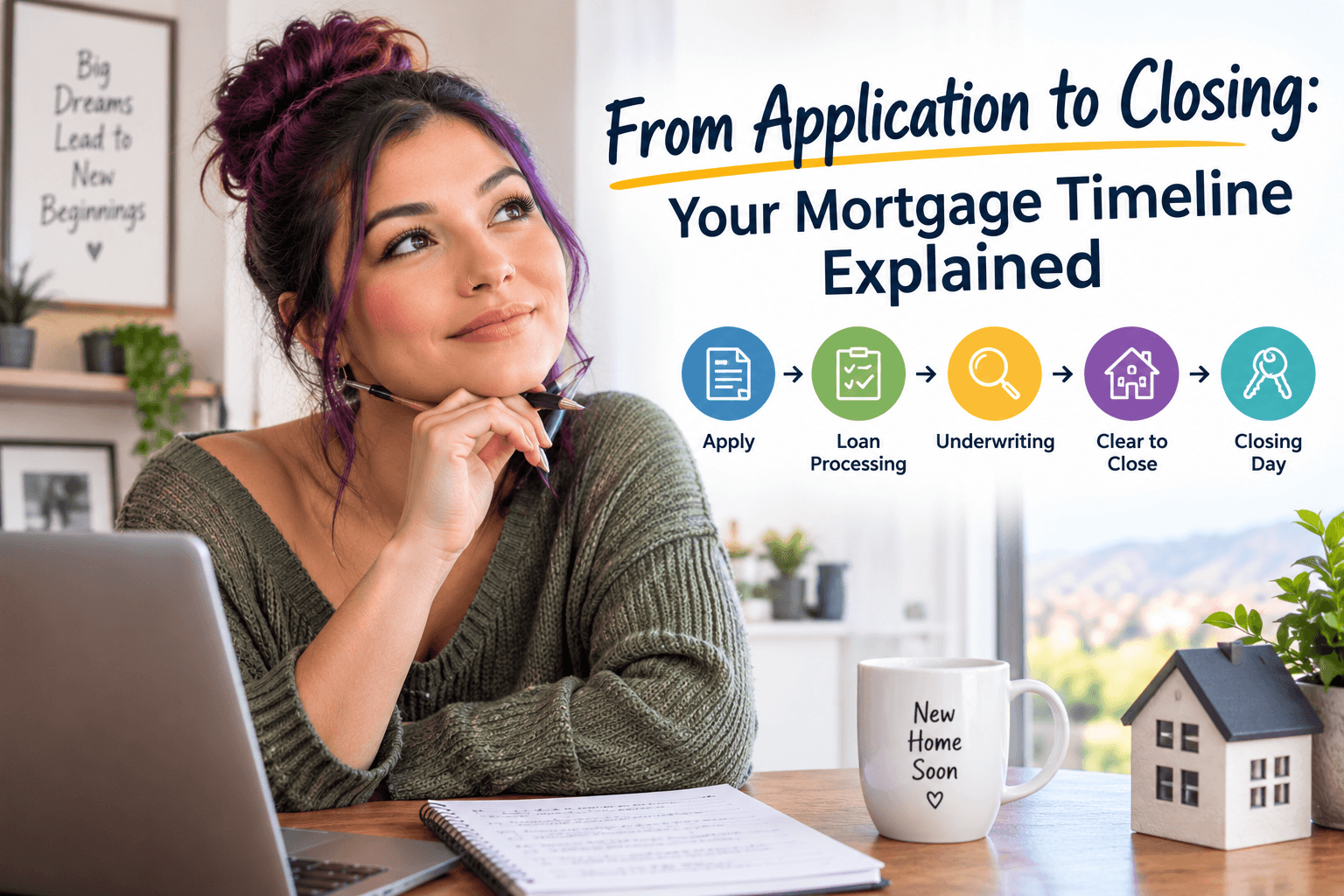
Embarking on the journey to secure a mortgage can feel overwhelming, especially if it's your first time. Understanding the process can make it much easier, leading to a smoother experience as you move from the application stage to closing. Knowing what to expect at each step can help you make informed decisions and reach your homeownership goals more effectively.
The journey typically begins with the mortgage application. This is where you provide personal information, financial details, and the type of loan you’re interested in. It’s important to be thorough and honest on your application, as any discrepancies can lead to delays or issues down the line. Be prepared to share details about your income, employment history, debts, and assets. This stage is essential because it helps the lender assess your financial situation.
After submitting your application, you will receive a loan estimate from your lender. This document outlines the terms of the loan, including the interest rate, monthly payment, and closing costs. Take the time to review this estimate carefully. Look for any fees that seem excessively high or unclear, and ask your lender for clarification. Understanding this estimate will empower you to make informed decisions moving forward.
Once you approve the loan estimate, the next step is the underwriting process. During underwriting, the lender will verify the information you provided in your application. They will assess your credit history, confirm your income, and evaluate your financial stability. This step can take a few days to a couple of weeks, so it’s important to be patient. If the underwriter needs additional information or documentation, be prompt in your responses to avoid delays.
It's common for underwriters to issue conditions based on their findings. Conditions might ask for more documentation, such as recent pay stubs, bank statements, or explanations for any discrepancies in your financial history. Responding to these requests swiftly can help keep your loan on track.
Once the underwriting process is complete and any conditions have been satisfied, your loan will move to the closing stage. You should receive a closing disclosure at least three days before closing. This document provides a final breakdown of your loan terms, interest rate, monthly payments, and closing costs. Review this carefully to ensure it aligns with what you were previously offered in the loan estimate. If you notice any changes that you do not understand or did not anticipate, reach out to your lender for clarification.
Closing is the final step in your mortgage journey. This is when you’ll sign the necessary paperwork to finalize the loan and officially become a homeowner. During the closing meeting, you will review and sign various legal documents, including the mortgage agreement and promissory note. Depending on your location, this meeting may take place in person or virtually.
Before heading into closing, it's wise to prepare for a few things. Make sure to bring a valid form of identification and any required funds for closing costs. These costs can typically include things like the down payment, taxes, and insurance. If you’re unsure about the total amount you will need to bring, your lender should provide you with that information in advance.
Remember, communication with your lender is key throughout the entire process. If at any point you have questions or concerns, do not hesitate to reach out. Knowing you have someone reliable to turn to can alleviate anxiety and help you stay informed.
Even after closing, there are a few post-closing tips to keep in mind. First, make sure to review your closing documents once more. Store them safely with other important paperwork related to your home. Also, ensure you understand when your first mortgage payment is due and set up reminders to avoid late payments. This will help you build a good payment history, which is important for maintaining good credit.
Your mortgage journey is not just about the transaction; it’s about understanding the long-term commitment you are making. Think about how your monthly payments fit into your overall financial plan. Discussing your specific needs and goals with a knowledgeable mortgage professional can provide additional insights and strategies to manage your mortgage effectively.
If you’re ready to start your mortgage journey or if you have questions about where you currently stand, I encourage you to reach out. Whether you're a first-time homebuyer or looking to refinance, I can help you navigate your specific needs and guide you through every step of the process.
Monica Vozza
Mortgage Broker
Getting started is quick and easy
If you have any questions, I'm here for you.
Send Monica a message
I will get back to you soon.